
If you walk into many public boarding schools across the continent today, you will notice something deeply troubling. The high walls, and the rigid, unyielding routines don’t feel like a sanctuary for education. They feel like a detention center.
In the wake of devastating tragedies like the Utumishi Girls Academy fire, the public conversation always takes a predictable route. We talk about “spoiled children,” a “lack of discipline,” and the need for stricter punishments. I couldnt beleve it, when i heard one indiviual in educationin Kenya – after this awful tragedy at Utumishi Girls academy – doare to talk about introducing ‘canning’ back in schools. Something that has been happening for the longest time.
But this lazy narrative completely ignores a massive, bleeding wound in our education system: the quiet, daily emotional abuse of our children.
From my own deep research into student unrest, the truth is glaringly clear. Our children are not burning schools because they are inherently malicious. They are burning them because they are angry, terrified, and utterly helpless.
Now, before we go any further, I want to say something very important. This is not a blanket condemnation of every single school in Kenya. We have incredible public and private schools in this country led by amazing, selfless principals and loving teachers who protect our children daily. But we cannot hide behind the exceptions. The hard truth from research and our current headlines is that this “bootcamp” culture and silent frustration are an overwhelming reality in the majority of our public boarding institutions.
When Schools Become Battlefields
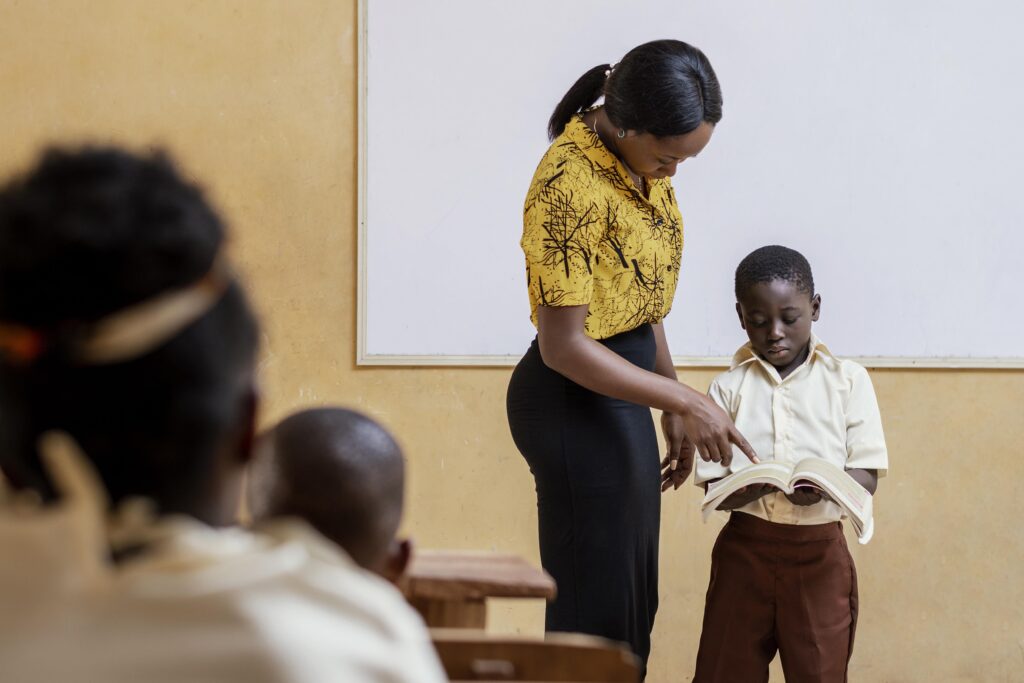
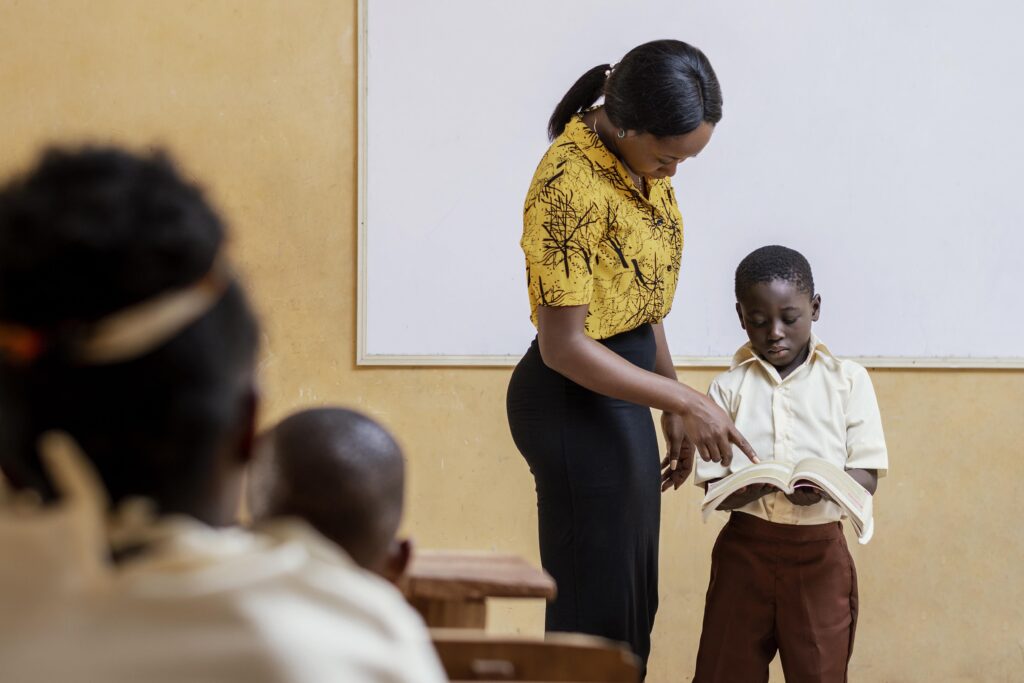
The public school system has become a breeding ground for trauma. Many children are already coming from fragile backgrounds, dealing with poverty, neglect, or domestic friction at home. They enter school hoping for a safe space to grow, but instead, they are met with systemic hostility.
Overcrowded dormitories, poor sanitation, and extreme academic pressure create a baseline of constant physical and mental stress. But the heaviest blow comes from the culture of authority. Teachers, administrators, and staff—overworked, underpaid, and drowning in their own personal life stresses—frequently turn the classroom into a battleground. They use their power to humiliate, intimidate, and break the spirits of the children in their care.
Instead of mentors, these authorities become the enemies of the child’s well-being. When a student tries to complain about basic human needs—like terrible food, sickness, or mental exhaustion—their voices are completely shut down. There are no channels for open communication, no trusted welfare systems, and a severe shortage of professional counselors. The institution effectively becomes a closed, suffocating world where the child has zero agency.
Separating Adult Stress from Child Care
We must say it clearly: our children are absorbing our adult frustrations. When a teacher brings financial anxiety, marital problems, or career stagnation into the classroom and takes it out on vulnerable teenagers, it is a form of institutional abuse.
As adults, we must learn the vital boundaries of emotional maturity. We must separate our personal hardships from the way we interact with children. It is our job to absorb the shocks of life, not pass them down to a generation that doesn’t have the psychological tools to process them. When we fail to do this, we turn schools into pressure cookers, and arson becomes the student’s desperate language of protest.
The Road to Healing: Intentional Living for the Masses
Fixing this national emergency requires a complete re-imagining of what a school should be. We must demand an education system that values emotional safety as much as it values mean scores and high grades.
This is where intentional living comes in for the wider community. We must actively choose to listen to our children. We need to build homes and school environments where children are seen as human beings who deserve representation, respect, and an emotional safety net.
Let us stop treating our youth like cogs in an academic machine. By choosing presence, open communication, and soft empathy over rigid power and control, we can dismantle the bootcamp culture and give our children their sanctuaries back.