
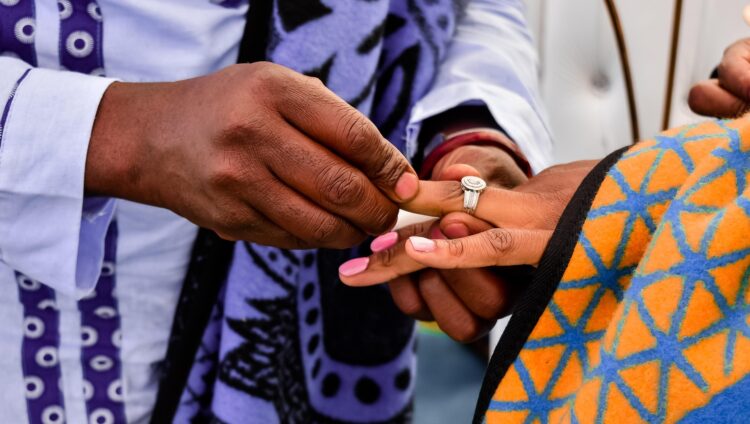
We Need a New Conversation Around Marital Separation, and Healing in Africa
When we talk about marriage in Africa, our faces light up. We think of the colorful traditional weddings, the vibrant music, the coming together of two families- celebrated wth our traditions and culture. There is immense pride our communities feel. Marriage is beautifully woven into the very fabric of who we are, and these rich cultural traditions deserve to be preserved, respected, and fully celebrated. But because we hold the institution of marriage in such high esteem, we tend to deal with marital distress in absolute, suffocating silence. The problem isn’t our beautiful traditions—it is what happens after a union faces a crisis. For many of us, especially within the Christian community, the mere thought of a marriage failing feels like an unspeakable sin. So, what happens? We lock the doors, pull the curtains, and suffer in secret. We see many Christians quietly walking through divorce while fleeing the church out of shame, and just as many staying trapped in deeply broken, toxic dynamics because of the heavy stigma carried by our communities. It is time to pull back the curtain. If we truly want to heal African families who are quietly hurting in homes, we have to start telling the truth about what happens when a relationship breaks down, and how we can support the human beings within this sacred space. I speak from personal experience and from having stewarded a divorce care ministry in curches. The Wall of Silence Inside the Church When I was conducting research for my book, An African Woman’s Story of Divorce in Kenya, I wanted to see what kind of support systems churches actually had in place for families going through a breakdown. The initial reactions I got were incredibly telling: nobody really wanted to talk to me. There was a heavy, defensive wall of silence. Church leaders didn’t even want to acknowledge the issue. Why? Because the system carries a massive blind spot. They mistakenly believe that providing emotional and transitional support for a family in crisis is the same thing as promoting or supporting divorce. But also the very word ‘ divorce’ is still unspoken’. Let’s expose that myth right now: Supporting a family through a breakdown is NOT supporting divorce. It is supporting human beings who’d like to experience the compassion and love of God in their times of need. When a church shuts its doors to the reality of ‘marital failure’, it doesn’t stop divorces from happening; it just ensures that its members bleed in silence. By refusing to offer a landing pad for broken families, the church ceases to be a sanctuary and becomes a courtroom. The Trauma We Inherited and the Trap of Abuse Let’s be honest about why many couples find themselves in toxic cycles. In so many cases, the explosive arguments, the cold shoulders, or the control tactics aren’t new—they are generational echoes. Many couples are simply playing out scripts they saw in their original families growing up. We saw our parents fight, we saw our aunts endure, and we unconsciously learned that love must hurt to be real. But what happens when that dysfunction turns into abuse? Whether it is emotional, financial, or physical, the feeling of entrapment is agonizing. You want to leave to save your sanity, but you look at the community, you think of the church, and you feel entirely paralyzed. You are trapped between a system that tells you to “be patient and endure” (Tiisetsa, Hangana, or Uvumilivu) and a reality that is slowly breaking your spirit. Let’s challenge that system right now: enduring abuse is not a spiritual victory. God deeply values your safety, your dignity, and your wholeness. A healthy community cannot be built on broken, terrorized individuals living unde the same roof in the name of marriage. The Forgotten Victims: What About the Children? In the middle of all this adult warfare, there is a heartbreaking truth we have to confront: we are destroying our children. When couples are caught up in the pain, anger, and bitterness of a failing marriage, they often become completely blind to how their fighting impacts the little eyes watching them. We yell, we slam doors, we treat each other with deep contempt, and we completely forget that our children are absorbing every single ounce of that trauma. They are learning how to be anxious, fearful, or angry adults right in our living rooms. Worse yet, look at how our society handles a marital split. It is treated entirely as an adult thing. The parents get lawyers, the aunts and uncles call meetings, the pastors offer counseling for the husband and wife—but there are absolutely no services or considerations for the children. They are left to process the collapse of their entire world completely alone. Because there is no professional or emotional support tailored for them, children often end up being weaponized. It happens all the time in African families: parents start using the children to spy on each other, to pass toxic messages, or as tools to punish the other parent. We force our kids to choose sides, tearing their hearts in two and forcing them to carry adult burdens they were never meant to bear. Redefining the Ending: From Shame to Wholeness Challenging the current stigma does not mean we are against marriage. We love marriage! But we must advocate for truth and health. When a marriage has completely broken down and high risk of violence and emotional and phyisical harm – it can no longer be a place of safety and mutual love, navigating a transition with dignity is not a failure of faith. In fact, shielding your children from a chronically conflicted, toxic home and choosing a peaceful, managed separation is an act of profound love and leadership. Children thrive far better in two separate, peaceful homes than in one war zone. The African church and our broader communities have a beautiful opportunity to evolve. Instead of standing in judgment or hiding behind defensive silence, we can
Read More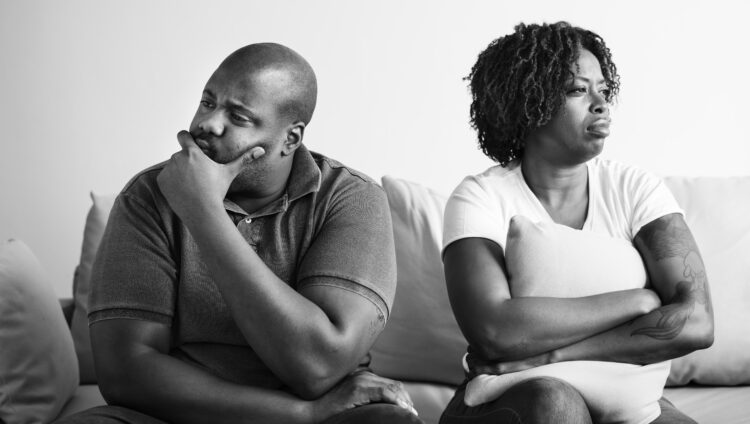
When Marriage Fails: The Shattering Taboo of a Family Breaking Apart
Let’s be honest about the relationships we build. When we get married, we all start with a shared vision of a lifetime together. We build a life, a home, and a family based on promises of safety, love, and mutual respect. But sometimes, over the years, the reality inside the four walls of a home begins to shift. Quietly, slowly, jagged cracks begin to form where there used to be a foundation. We talk a lot in our communities about the tragedy of a family breaking apart. But we rarely have the honesty to talk about the silent tragedy of a family staying together purely for the sake of appearances. When a marriage becomes a place of constant tension, emotional distance, or emotional unsafety rather than a sanctuary of love, the environment changes. Our children stop learning how to see real love; instead, they learn how to survive emotional coldness. To look at that reality in the mirror and decide that maintaining a broken structure is no longer worth the emotional cost requires a rare, shattering form of bravery. The Ultimate Taboo: Hiding Behind the Shame In our society, we can’t even say the word divorce. It is treated as the ultimate taboo, a conversational death sentence that people avoid at all costs. Because the word itself carries such a heavy weight of assumed failure, shame, and judgment, it forces people into absolute hiding. Couples endure years of silent agony, wearing masks in public and pretending everything is perfect, simply because the social consequence of admitting the truth feels too devastating to bear. This taboo doesn’t save marriages; it just forces the suffering underground. It took me eight long, grueling years to finally break through that silence and reach this crossroad. That is eight years of waking up in the dead of night, staring at the ceiling in the dark, and asking myself if there was something—anything—more I could do to save my relationship. It was eight years of trying, hoping, praying, forgiving, and exhausting every single ounce of human energy I possessed to fix what was fundamentally broken between two people. When we are on the outside looking in, it is so easy to judge. We look at someone else’s broken relationship and make comfortable assumptions, whispering to ourselves that it could never happen to us. But life has a humbling way of dismantling our certainties. The truth is simple, and we have to face it: never say never. It can happen to absolutely anyone. By the time someone gets to the point of making this monumental, life-altering decision, they haven’t just given up overnight. They have been thoroughly processed through the mill of relationship distress. Unless you have walked this path yourself, you cannot truly comprehend the sheer magnitude of the pain. It is a unique, exhausting kind of heartbreak. It is the heavy fog of loneliness where you feel entirely invisible, even while standing in the exact same room with the person who was supposed to be your life partner. And underneath that isolation lies the quiet, stinging trauma of betrayal—not just the betrayal of trust, but the shattering of a dream and the loss of the future you built your entire life around. You are faced with the daunting, terrifying task of untangling a shared life, navigating the anxieties of an uncertain future, and carrying the grief of what could have been. Choosing to leave under that immense weight isn’t a sign of weakness. It is a profound act of choosing peace and survival. When the Village Fails: Ubuntu Awry We love to talk about Ubuntu—that beautiful, profound philosophy that “I am because we are.” We lean heavily on the idea of the village raising the child and the community sustaining the family structure. But we need to look at each other clearly and admit where our execution of Ubuntu has fallen deeply awry when relationships begin to fail. When a family appears intact and everything is smooth on the surface, the village is loud, visible, and celebratory. Everyone is there for the milestones. But the moment a relationship enters the dark tunnel of deep distress, the moment the struggles become real, the village too often goes deafeningly silent. The harsh reality is that there is little to no real support when families are going through this catastrophic, life-changing event. Instead of wrapping its arms around suffering individuals and the children involved to offer protection, practical help, and safe spaces to heal without judgment, our community too often retreats into whispers, taking sides, or awkward avoidance. We have weaponized a philosophy of togetherness to force people to suffer in silence, implicitly telling them to endure a toxic or broken dynamic just so the community doesn’t have to feel uncomfortable. True Ubuntu was never about sacrificing human souls or emotional well-being to preserve an empty, broken contract. It is supposed to be about ensuring the village is a place of genuine health, safety, and emotional honesty for every individual within it. When you are going through this, you have to ask yourself: If these spaces don’t offer comfort when I am bleeding out emotionally, why am I letting collective expectations control my peace, my life, and my family’s future? Reclaiming Hope: The Dawn After the Dark Choosing to leave is not a failure of family; sometimes, it is the ultimate reclamation of human dignity. It takes immense courage to look past the silence of a broken village and say one simple, definitive word: Enough. It takes courage to admit you are exhausted, to step away from a dynamic that is breaking you, and to choose authenticity and peace forward. But saying “enough” is not the end of your story—it is the beginning of your healing. The pain, the loneliness, and the betrayal do not have the final say over your life. While the village may go silent, God never does. There is a profound, life-giving truth waiting for you on the other side of this heartbreak:
Read More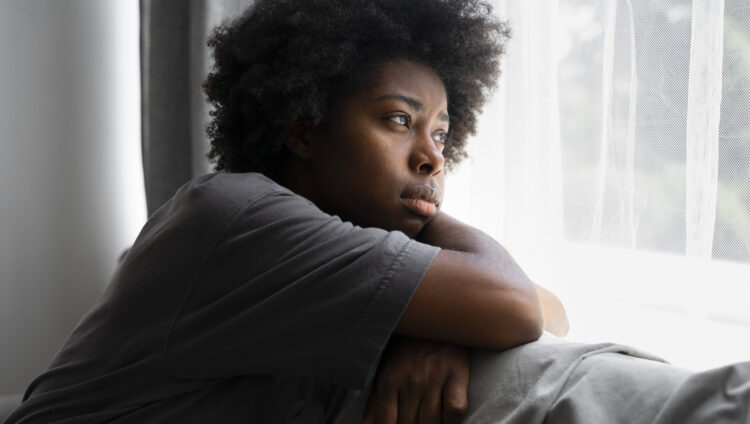
Navigating Mental Wellness in the African Context
For many of us growing up in African households, our early education was focused heavily on the visible. We were taught the essentials of physical hygiene—how to brush our teeth, take a bath every day, and keep our surroundings clean. If we fell and broke a leg or suffered from a physical ailment like asthma, we were rushed to the hospital for immediate care. However, when it came to our internal world, the lessons were often very different. Many were raised in environments where crying was met with a “slap down” or being told to “be a man” and “shut up”. Culturally, the default response to psychological pain has often been to suppress it, pushing feelings down because we were taught not to show how we truly feel. The Weight of Unseen Injuries This cultural tendency to “just get on with it” doesn’t mean the pain isn’t there; in reality, we often sustain more psychological injuries than physical ones. We carry the weight of rejection, abuse, failure, and perfectionism. Crucially, many of us overlook loneliness, but it is a significant form of psychological damage that we encounter frequently. Because we aren’t taught to process these experiences, they accumulate into “baggage,” leading us to a point where we eventually “blow up”. In Kenya alone, the impact is stark: the nation ranks as the sixth most depressed in Africa, with depression affecting a staggering 40% of hospital inpatients. These numbers suggest a widespread struggle with coping skills and a lack of life skills to manage the stresses life inevitably throws at us. It’s Okay to Not Be Okay It is important to realize that it is okay to feel low or depressed. Depression is a mood disorder that causes persistent feelings of sadness, loss, and loneliness, often interfering with your ability to function and causing you to withdraw. These feelings are often the result of “piled up” psychological injuries and unexpressed anger. Feeling down isn’t a sign of weakness; it’s a sign that your mind is reacting to life’s stresses, and sometimes, those stresses become too heavy to carry without proper coping mechanisms. The Steps to Healing: Taking Individual Responsibility While we may not have control over every event that happens to us, we can develop the mental resilience needed to cope. The path to healing begins with taking individual responsibility for your mental wellness, as no one else can do it for you. Building mental resilience is an intentional journey. As Eleanor Roosevelt famously said, “No one can make you feel inferior without your consent”. By being intentional about your mental care and refusing to be a victim, you can move from merely surviving to truly contributing to your community and living a productive, balanced life
Read MoreThe Liquid Trap: Why What You Don’t Know About Alcohol is Killing Our Communities
We need to be honest: many of us are not okay. Across Africa, alcohol has quietly shifted from a social ritual to a survival tool. We call it “relaxing,” but for an increasing number of Africans, it is an escape fueled by a profound education gap. Most of us are drinking substances we don’t truly understand, walking blindly into a trap that is claiming lives every single day. The Staggering Reality: Africa by the Numbers The scale of this issue is no longer a secret. Recent data from the World Health Organization (WHO) and Dateline Health Africa highlight a growing burden: The Biological Illusion: The “Stress” Lie Most people drink to “unwind,” but science shows alcohol is a chemical deceiver. The Specific Toll on Women: A Biological Warning Biologically, women are at a distinct disadvantage when it comes to alcohol. The Education Gap: What We Don’t Know In many communities, we lack basic alcohol literacy. We often don’t know: How to Support a Relative or Friend In our Ubuntu culture, we are our brother’s keeper—but that means keeping their potential, not their addiction. Stop Enabling: Do not cover for their mistakes. They must feel the weight of their choices to desire change. The Sober Window: Speak to them only when they are sober and the consequences of the night before are fresh. Avoid Accusations: Use “I” statements, such as “I am worried about your health,” rather than “You are a drunk.” Stop Enabling: Do not cover for their mistakes. They must feel the weight of their choices to desire change. The Moment of Choice: Breaking the Silence If you have read this far, the veil of ignorance has been lifted. You now know what alcohol is doing to your brain, your heart, and your community. We must ask ourselves: Will you continue to choose the bottle, or will you choose your life and the lives of your family? There is no shame in a celebratory drink in moderation, but we must be honest about where the line is. When the drink stops being a choice and starts being a requirement—when it starts slowly “unlivenning” your spirit and your health—it is time to wake up. We are harming ourselves in the name of “strength,” but true strength is found in facing our reality sober. What You Can Do Today Where to Find International Help Coping is not healing. If your “remedy” is leaving you—and those who love you—feeling worse, it isn’t medicine. It’s a poison. It’s time to choose life.
Read More
Divorce: The Woman’s Reality
Today, I want to speak directly to the woman who finds herself standing at a crossroads. You are in a position where you are considering—or perhaps have already decided—to file for divorce. You aren’t in a high-risk, physically violent situation, but you are deeply hurt, dissatisfied, and exhausted. Right now, divorce feels like the only door left open. Before you walk through that door, I want to share 10 realities from my book, Reality of Divorce, based on my own journey and the experiences I’ve seen here in Kenya. My hope is not to judge you, but to give you the full picture of the price that is often paid along the way. 1. The Shadow of a Patriarchal System We live in a society where the systems meant to support us are often grounded in traditional, oppressive attitudes toward women. When you enter the legal and social “machinery” of divorce in Kenya, you aren’t just dealing with a breakup; you are navigating a male-dominated environment. In my own journey, I faced everything from sexual harassment by a lawyer to being mistreated by the very police meant to protect me. 2. The Weight of Depression and Isolation Unless you are walking closely with God, divorce is an incredibly lonely path. You are juggling legal systems, your children’s emotions, and your own trauma simultaneously. It is no wonder so many women suffer from depression and PTSD. The emotional turmoil is “humongous,” and it wears you down physically and mentally. 3. The “Gianormous” Financial Burden Let’s talk about the money. Legal fees are not a one-off payment; they are ongoing and staggering. You can expect to pay anywhere from 25,000 to 200,000 KES (and often much more) just to keep the process moving. Finding an honest, competent lawyer is a battle in itself—I went through seven before my process was finished. 4. The Loss of Lifestyle Unless you were the primary breadwinner, your personal finances will likely plummet. In Kenya, a large majority of divorced women, especially stay-at-home moms, end up living on the line of poverty. Your lifestyle will change in ways you cannot imagine. 5. There Are No Financial Guarantees Even with our Constitution, alimony or maintenance is never a guarantee. Corruption and systemic loopholes are real. After 18 years of marriage, I received no alimony. I know many women who had to abandon the divorce process halfway through simply because they ran out of money to fight. 6. Your Children’s “Worst Nightmare” We often tell ourselves that children are resilient and that the upheaval is temporary. It isn’t. Divorce is often a child’s worst nightmare realized: the fear that their foundation is disappearing. Statistics show that children from divorced homes in these environments are five times more likely to face poverty and are at a higher risk for academic struggles and substance abuse. 7. The “Ugliness” of the War Divorce has a way of turning adults animalistic. Your children will see sides of their parents that are contradictory to everything they knew. They get caught in the crossfire of the “war,” which can damage their relationship with both parents for a lifetime. 8. The Shrinking of the Family Tree When you divorce, you don’t just lose a spouse; you often lose an entire side of the family. Grandparents, aunts, and cousins may disappear. In my case, after nearly a decade, there has been zero contact with my former in-laws. You find out very quickly who your real friends are—both inside and outside the church. 9. The Long Road to Stability Rebuilding a stable life takes much longer than people tell you. While you are trying to heal from trauma, you are also trying to manage the “nitty-gritty” of daily survival. It is one of the toughest experiences a woman can go through. 10. A Death Without a Proper End Divorce is like a death that never ends. It lacks the immediate closure of a funeral. The pain can linger for 30 years or more, carried by both you and the children. Is There Another Way? If your marriage is not volatile or life-threatening, I want to ask you: Have you truly done everything? Final Thoughts I know you are in pain. I know you feel that leaving is the only way to stop the hurting. But unless you absolutely must leave for your safety, I urge you to take a long pause. Go back to the drawing board. Ask for the strength to reconcile if it is at all possible. Divorce isn’t just a legal filing; it’s a total life transformation. Make sure you are ready for the reality of that walk before you take the first step. God Bless Shibero
Read MoreIs Your Smartphone the ‘Other Woman or Man’ in Your Family?
Have you ever just paused for a second and noticed how quickly we react to our phones? Think about it. That little ping… that vibration in your pocket… that tiny red dot on a screen. We jump. It’s like an instinct now. But then, in that same moment, a child looks up and says, “Mom, look at this!” or “Dad, can you help me?” And what do we say? “Just a minute.” “Ngoja kidogo.” “In a bit.” The hard truth is, sometimes that minute never actually comes. If we’re being honest with ourselves—really honest—we might be accidentally teaching our children a heartbreaking lesson: that they come second to a notification. Just sit with that for a moment before you push back. It stings, doesn’t it? The Quiet Theft of Connection Now, don’t get me wrong. Technology isn’t the villain here. It’s a tool. But if we aren’t intentional, it starts to take over. It doesn’t happen loudly; it happens quietly. It steals a moment here, an afternoon there, until eventually, it steals the entire connection. And it’s stealing our peace, too. We spend hours scrolling through Instagram or TikTok, looking at these “perfect” families with their perfect smiles and curated holidays. We look up at our very normal, very messy, very human lives—and suddenly, we feel like we’re lacking. But let’s tell the truth: we are comparing our “behind-the-scenes” to someone else’s highlight reel. I’ve seen it myself—some of those “perfect” couples you see online are struggling just to speak to each other. It’s a performance. It’s a soap opera with a filter. What We Lost Along the Way I often find myself thinking back to our grandmothers—our shoshos. Evenings were so different then. There were no screens to hide behind. We sat together. I remember sitting at my grandmother’s feet, hanging onto every word of her stories. She’d tell us about the clever hare—stories that made us laugh, stories that kept us on the edge of our seats, but stories that always carried a seed of wisdom. She wasn’t just passing time; she was giving us her presence. That time was sacred. That is the Ubuntu way. And somewhere in the rush of the digital age, I think we lost it. The Rise of Digital Infidelity There’s another side to this that we don’t talk about enough: “Digital Adultery.” I’ve seen it destroy beautiful homes. Not once, not twice, but many times. I remember sitting in a cyber café years ago. A man next to me was on the phone, looking someone straight in the eye—metaphorically—and lying about where he was. He was right there, but he was telling them he was in a different town. It’s become so easy to deceive. What starts as “harmless chatting” or a secret DM slowly creates a distance. That distance becomes a disconnect, and that disconnect is what eventually breaks a relationship. You don’t even have to leave your house to wander away from your partner anymore. That’s how accessible it is. The Ubuntu Solution: The Circle So, how do we fix this? We don’t have to throw our phones away, but we do need to reclaim our intention. Let’s bring back the Circle. In our traditional African homes, we sat in circles because in a circle, everyone can see each other. Everyone is heard. I have a simple challenge for you: Create a Digital Sabbath. Just one hour every day. Put the phones in a basket. No scrolling, no distractions. For that one hour, just be there. Ask your child, “What made you happy today?”Ask your partner, “What has been heavy on your heart lately?” And then—this is the important part—really listen. Not “half-listening” while glancing at a screen, but truly hearing them. It’s Not Too Much to Ask It’s only sixty minutes. We give so much of our lives to these glowing screens; surely we can give one hour to the people who actually matter. At the end of the day, family is where we are meant to be seen and understood. Let’s not trade that for a “Like.” If your family has struggled with this “screen silence,” or if you’ve found a way to break through it, I’d love to hear from you. Let’s talk. Let’s learn from each other. Maybe we can bring the village back into our living rooms. Don’t wait for regret. Don’t wait until the distance is too wide to cross. Live your life intentionally. Use technology, but for heaven’s sake, don’t let it use you. Take care of yourself. Take care of your family. And may you live with presence and purpose. God bless you.
Read MoreThe Impact of Fathers Who Chose to Leave Their Children
Studies show that around one-third of children in sub-Saharan Africa are being raised by single mothers. In Kenya alone, over one-third of households are headed by women. This reality raises a critical question: where are the fathers? This message is directed toward fathers who have walked away from their responsibilities, as well as those who are physically present in the home but emotionally absent. When a man exists within a family environment only to have personal needs met—coming home to eat or sleep without connecting with the children—that man is a stranger in his own house. This is a difficult but necessary conversation. In African communities, from ancestral traditions to the present day, the role of a father is of paramount importance. When that role is vacant, children are deprived of essential foundations. The Identity GapLineage and a sense of belonging often stem from the father. Absence can strip a child of their understanding of where they stand within the community and how to carry a family name with dignity. Without a father’s input, children are often left trying to navigate their identity without a map. Guidance for Sons: Defining ManhoodSons look to their fathers to understand what it means to be a man. This isn’t about physical toughness, but about the weight of responsibility. Without a present role model, young men may grow up uncertain and likely to repeat the same patterns of absence they witnessed, struggling to manage their own future families. Guidance for Daughters: The Standard of LoveA father is typically the first person to affirm a daughter’s beauty and worth. When a daughter hears “I love you” from her father first, it sets a standard. Without this affirmation, young women may seek validation in a world that often attaches a price to “love.” A father’s presence teaches a daughter how she deserves to be treated and helps her establish healthy boundaries. Beyond Financial SupportProviding a roof and paying school fees can be done from a distance, but that is not the fullness of fatherhood. True fathering requires interaction and connection. It is about the process of truly knowing one’s children. While some men may have experienced the pain of an absent father themselves, that pain should not be passed down. It is possible to break the cycle. A Note on SafetyIt is important to clarify that this call to return does not apply to situations involving abuse or violence. If a departure was due to the mistreatment of a spouse or children, the safety of the family remains the priority. Reflection and ActionFor those who have the opportunity to change, consider these questions: The opportunity to begin again is never completely lost. Second chances exist for those willing to do the work of rebuilding relationships. For anyone who has a story of transformation or wisdom regarding fatherhood, sharing those experiences can provide hope and guidance to other families in similar positions. Children need guidance, presence, and connection. It is never too late to learn how to be a father.
Read More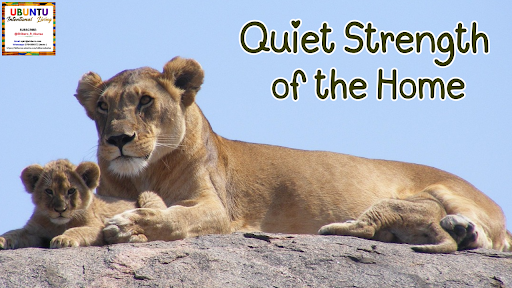
The Quiet Strength of The Woman of The Home
You know, we often think about a house as just being made of walls and furniture, but there is something so much deeper happening inside. While a man might be the one guarding the door, I truly believe it is the woman who shapes the heart of the home. She is the one who brings that essential warmth to the space, sensing the little things that everyone else seems to miss and carrying that quiet, daily work that keeps a family together. I’ve realized that strength doesn’t always have to be loud. There is a steady kind of strength in nurturing life and offering comfort when things get difficult. It’s the woman who reminds the family who they are and what they stand for. A home isn’t just built; it’s grown through patience, kindness, and love that shows up in a thousand tiny ways every day —like a prepared meal, a gentle word, or just being a listening ear when someone is hurting. T hese might seem like ordinary moments, but they are the actual threads that hold a family together. There’s also something to be said about the power of faithfulness and loyalty. A home simply cannot stand without trust, and a wise woman knows that choosing her family and protecting that bond isn’t a weakness—it’s an honor. When we choose each other again and again, we build a foundation of respect that makes the whole family stronger. When that “heart” of the home is healthy, the impact is huge. Children grow up feeling safe and like they truly belong. But it goes even further than that —when families are strong, our communities become strong. So, if you ever feel like what you do is small, remember that your care and the stability you bring matter more than you know. Your children might not remember every single word you say, but they will always remember how loved they felt because of you. By nurturing a strong home, you aren’t just helping a family; you are helping to shape a better world The wisest of women builds her house, but folly with her own hands tears it down. Proverbs 14:1
Read More
The Influence of a Man in His Home
There is something worth reflecting on. Across many African homes, a man carries a responsibility that is not always spoken about… yet it is deeply felt. It is not only the responsibility to provide. It is the responsibility of presence. The Space We Call Home The world outside can be demanding. It asks a lot.It stretches, it pressures, it requires resilience. And as men, we often learn to meet that world with strength — to endure, to push through, to carry on. But the home is a different kind of space. Or at least… it is meant to be. It is not an extension of the battlefield.It is meant to be a place of rest. What Enters With Us Each time a man walks through his door, he brings something with him. Not just physically — but emotionally. The tone of his voice.The weight of his mood.The way he responds… or doesn’t respond. All of these things quietly shape the atmosphere of a home. Children feel it, even when nothing is said.A partner feels it, often in ways that are hard to explain. And over time, that atmosphere becomes the environment people live in every day. Understanding Strength Differently Many of us were raised with a clear idea of what strength looks like. To be firm.To be in control.To not show weakness. But within the home, strength can take on a different form. It can look like: This does not mean ignoring what is happening in the world. It simply means recognising that not every weight needs to enter the home. The Impact We May Not Always See The influence of a man in his home is often quiet, but far-reaching. When there is steadiness: And over time, something deeper is built. Not just a household… but a foundation. One that shapes how people see themselves, how they relate to others, and how they move through the world. A Point of Reflection This is not about getting everything right. No one does. But it is an invitation to become aware. To recognise that there is a moment — often unnoticed —between the outside world and the inside of the home. And within that moment, there is choice. Presence as Leadership Leadership in a home is not always loud. It does not always come through instruction or authority. Often, it is expressed through presence. Through: Because long after specific words are forgotten,what remains is how people experienced you. Closing Thought Perhaps the role of a man is not only to carry the weight of life… …but also to know where that weight belongs. To understand that a home can be something different.Something steady.Something safe. And that the way he shows up each dayquietly helps shape that reality. ‘He must manage his own household well, with all dignity keeping his children submissive, for if someone does not know how to manage his own household, how will he care for God’s church?’ 1 Timothy 3:4-5
Read MoreThe Weight of Unforgiveness
Have you ever felt like a dagger in your heart when someone wronged you? Let’s be real. We’ve all been there. Maybe it was that time your bestie completely forgot about your big day. Maybe your dad just didn’t understand why you chose that career path, or perhaps it was the painful memories from school when you were picked on. And of course, there’s nothing like the pain that comes from betrayal by someone you share your life with. Be it a big incident or just a tiny slip, getting hurt is a universal experience. When we’re hurt, especially by those dear to us, it’s like an emotional storm brews within us. We feel rejected, scared, betrayed, or just downright insecure. Just like how a tiny cut can get seriously infected if we don’t treat it right, these emotional cuts can get infected too. They can fester with resentment, bitterness, and thoughts of revenge. Instead of helping ourselves heal with a dose of forgiveness, sometimes we unknowingly sip on the poison called unforgiveness. So, what is unforgiveness? Imagine holding onto a balloon filled with anger, resentment, and all those nasty emotions. That’s unforgiveness. It’s when we can’t let go of the pain someone caused us. Instead of healing and moving on, we keep replaying it in our heads, feeling that anger and hurt all over again. And just like any wound that doesn’t get the care it needs, with time, it doesn’t get better—it only gets worse. Imagine lugging around a massive backpack everywhere you go. At first, it might seem manageable, but as days turn into weeks and weeks into months, that bag becomes unbearably heavy. That’s what unforgiveness is like – a constant, heavy weight on our souls. And the longer we ignore it, the deeper it roots, pulling us down. Ladies, unforgiveness? It’s toxic. We’re feeding our souls with something that’s slowly poisoning us from the inside. But what does it do to us? Let’s dive into the negative effects of unforgiveness. So, diving right back in—unforgiveness? It’s like a whirlwind of chaos inside us. Picture it: an emotional hurricane that tosses up stress, anxiety, depression, insecurity, and a heap of fear. And beneath all of that? A heart that’s turned stone-cold. You see their face or even just hear their name, and suddenly you’re reliving all those emotions of anger, resentment, and bitterness. It’s like a never-ending replay of a painful past. And sometimes, the hurt takes over so much that we lose the zest for life. Sound familiar? Imagine your mind as a room, and unforgiveness. It’s like that oversized, obnoxious piece of furniture that takes up all the space, making it difficult to breathe. You replay that painful moment, dissecting every word, every gesture, like a film critic analyzing a movie. And maybe you’ve caught yourself crafting the perfect confrontation speech or daydreaming about some poetic justice. And, ugh, when we get caught in that loop? It’s not just about the current heartache. Suddenly, every bad memory from the past wants a starring role. It feels like we’re trapped in this twisted cinema of our own making. When we’re draped in unforgiveness, everything looks different. The world seems like a stage where every misstep feels like a scene directed against you. You start to walk on eggshells, expecting not just the one who hurt you, but everyone, to let you down. Before you know it, that pain isn’t just an emotion; it’s become your entire persona. And, ladies, it doesn’t stop there. Holding onto grudges isn’t just harmful to us; it’s also not our most glamorous side. Maybe you’ve found yourself ranting about that person one too many times or stretching the truth to gain a few sympathetic nods. And those passive-aggressive vibes, the silent treatments, or maybe the petty jabs? Not the best accessories we could choose. Revelling in someone else’s misfortunes or plotting revenge? It’s like we’re donning a cloak of negativity. Picture unforgiveness as a spill of red wine on a white carpet; it spreads, staining everything in its path. Maybe your partner or colleagues are tired of that same old rerun, or perhaps your friends are starting to keep their distance. And, let’s be real: it’s hard to share love and warmth when there’s a chill in our hearts. That distrust? It creates a wall between and our loved ones. It’s like wearing armour 24/7 because we’re scared of getting hurt again. The cherry on this not-so-delicious cake? Unforgiveness doesn’t just tug at our heartstrings; it messes with our health, too. Studies have linked it to high blood pressure, a weaker immune system, sleepless nights, lingering pain, and even heart troubles. And get this: because of its damaging effects, cancer treatments are now including forgiveness exercises to help patients heal. Sisters, let’s reclaim our space, our health, and our hearts. It’s time for a spring cleaning of the soul!
Read More