For many of us growing up in African households, our early education was focused heavily on the visible. We were taught the essentials of physical hygiene—how to brush our teeth, take a bath every day, and keep our surroundings clean. If we fell and broke a leg or suffered from a physical ailment like asthma, we were rushed to the hospital for immediate care. However, when it came to our internal world, the lessons were often very different. Many were raised in environments where crying was met with a “slap down” or being told to “be a man” and “shut up”. Culturally, the default response to psychological pain has often been to suppress it, pushing feelings down because we were taught not to show how we truly feel.
The Weight of Unseen Injuries This cultural tendency to “just get on with it” doesn’t mean the pain isn’t there; in reality, we often sustain more psychological injuries than physical ones. We carry the weight of rejection, abuse, failure, and perfectionism. Crucially, many of us overlook loneliness, but it is a significant form of psychological damage that we encounter frequently. Because we aren’t taught to process these experiences, they accumulate into “baggage,” leading us to a point where we eventually “blow up”. In Kenya alone, the impact is stark: the nation ranks as the sixth most depressed in Africa, with depression affecting a staggering 40% of hospital inpatients. These numbers suggest a widespread struggle with coping skills and a lack of life skills to manage the stresses life inevitably throws at us.
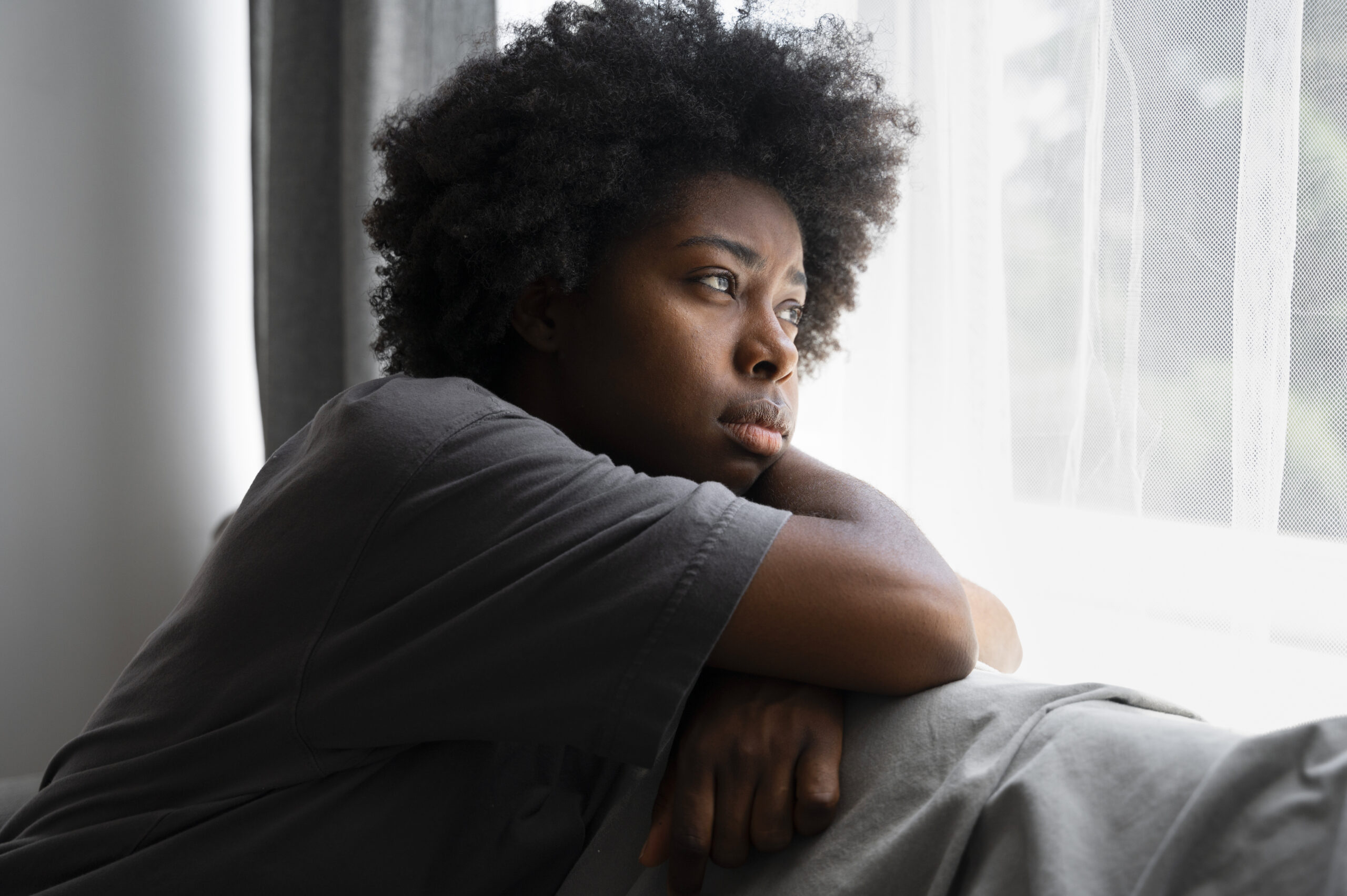
It’s Okay to Not Be Okay It is important to realize that it is okay to feel low or depressed. Depression is a mood disorder that causes persistent feelings of sadness, loss, and loneliness, often interfering with your ability to function and causing you to withdraw. These feelings are often the result of “piled up” psychological injuries and unexpressed anger. Feeling down isn’t a sign of weakness; it’s a sign that your mind is reacting to life’s stresses, and sometimes, those stresses become too heavy to carry without proper coping mechanisms.
The Steps to Healing: Taking Individual Responsibility While we may not have control over every event that happens to us, we can develop the mental resilience needed to cope. The path to healing begins with taking individual responsibility for your mental wellness, as no one else can do it for you.
- Move Away from Blame: We often “pass the buck” by blaming the community or life circumstances for our state of mind. Taking responsibility removes the feeling of being “helpless” and acknowledges that we have the power to decide how we deal with life events.
- Develop Emotional Awareness: Start identifying your feelings. Many of us weren’t allowed to express anger or hurt as children, so we must learn as adults to understand our emotions. This awareness also builds empathy, allowing you to respond more appropriately to others.
- Manage Your Thoughts: We are often our own worst enemies, feeding ourselves negative scripts about being “useless” or “unable to cope”. Identify these internal messages and intentionally change them to positive, empowering ones that reflect reality rather than self-criticism.
- Choose Hope Over Hopelessness: Practice perseverance. When something bad happens, try not to let it “stereotype” your entire life. View a difficult event as a single incident rather than a permanent state of being.
- Exit “Victim Mode”: As adults, we must recognize that we have choices. While children may be victims of their circumstances, adults can regain power by taking control of their decisions and walking away from situations—such as toxic or adulterous relationships—that contribute to their mental decline.
Building mental resilience is an intentional journey. As Eleanor Roosevelt famously said, “No one can make you feel inferior without your consent”. By being intentional about your mental care and refusing to be a victim, you can move from merely surviving to truly contributing to your community and living a productive, balanced life