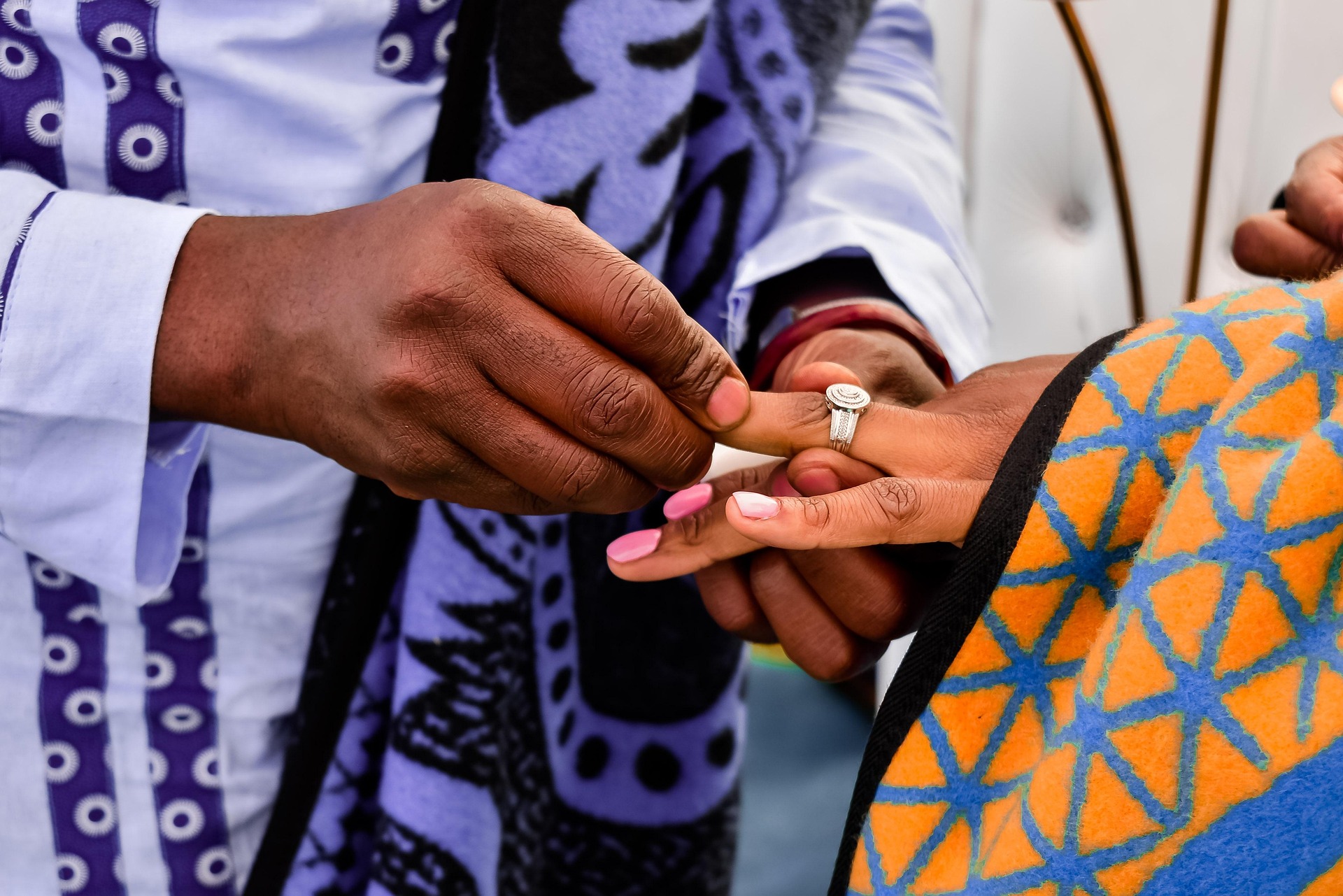
When we talk about marriage in Africa, our faces light up. We think of the colorful traditional weddings, the vibrant music, the coming together of two families- celebrated wth our traditions and culture.
There is immense pride our communities feel. Marriage is beautifully woven into the very fabric of who we are, and these rich cultural traditions deserve to be preserved, respected, and fully celebrated.
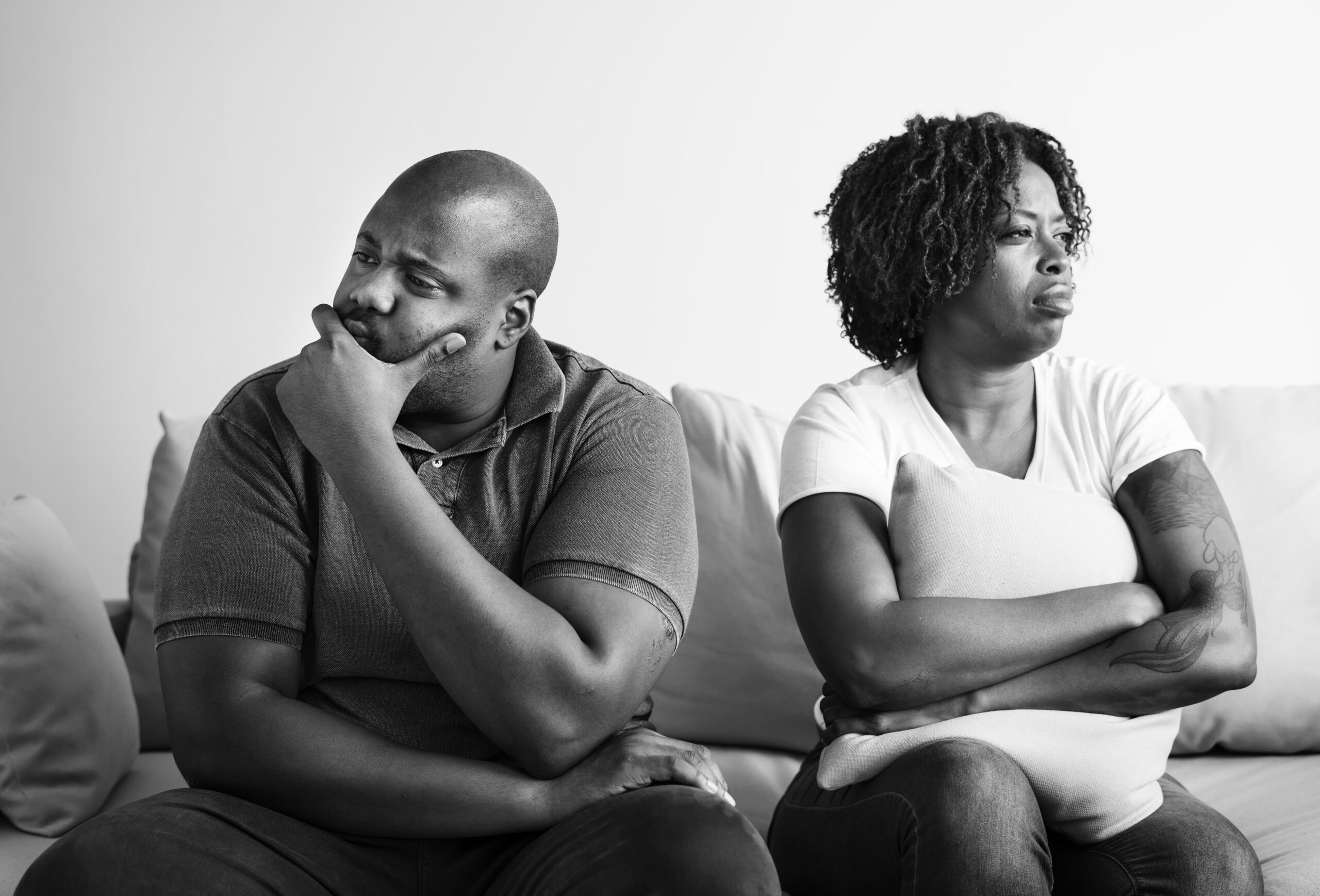
But because we hold the institution of marriage in such high esteem, we tend to deal with marital distress in absolute, suffocating silence.
The problem isn’t our beautiful traditions—it is what happens after a union faces a crisis. For many of us, especially within the Christian community, the mere thought of a marriage failing feels like an unspeakable sin. So, what happens? We lock the doors, pull the curtains, and suffer in secret. We see many Christians quietly walking through divorce while fleeing the church out of shame, and just as many staying trapped in deeply broken, toxic dynamics because of the heavy stigma carried by our communities.
It is time to pull back the curtain. If we truly want to heal African families who are quietly hurting in homes, we have to start telling the truth about what happens when a relationship breaks down, and how we can support the human beings within this sacred space. I speak from personal experience and from having stewarded a divorce care ministry in curches.
The Wall of Silence Inside the Church
When I was conducting research for my book, An African Woman’s Story of Divorce in Kenya, I wanted to see what kind of support systems churches actually had in place for families going through a breakdown. The initial reactions I got were incredibly telling: nobody really wanted to talk to me.
There was a heavy, defensive wall of silence. Church leaders didn’t even want to acknowledge the issue. Why? Because the system carries a massive blind spot. They mistakenly believe that providing emotional and transitional support for a family in crisis is the same thing as promoting or supporting divorce. But also the very word ‘ divorce’ is still unspoken’.
Let’s expose that myth right now: Supporting a family through a breakdown is NOT supporting divorce. It is supporting human beings who’d like to experience the compassion and love of God in their times of need.
When a church shuts its doors to the reality of ‘marital failure’, it doesn’t stop divorces from happening; it just ensures that its members bleed in silence. By refusing to offer a landing pad for broken families, the church ceases to be a sanctuary and becomes a courtroom.
The Trauma We Inherited and the Trap of Abuse
Let’s be honest about why many couples find themselves in toxic cycles. In so many cases, the explosive arguments, the cold shoulders, or the control tactics aren’t new—they are generational echoes. Many couples are simply playing out scripts they saw in their original families growing up. We saw our parents fight, we saw our aunts endure, and we unconsciously learned that love must hurt to be real.
But what happens when that dysfunction turns into abuse? Whether it is emotional, financial, or physical, the feeling of entrapment is agonizing. You want to leave to save your sanity, but you look at the community, you think of the church, and you feel entirely paralyzed. You are trapped between a system that tells you to “be patient and endure” (Tiisetsa, Hangana, or Uvumilivu) and a reality that is slowly breaking your spirit.
Let’s challenge that system right now: enduring abuse is not a spiritual victory. God deeply values your safety, your dignity, and your wholeness. A healthy community cannot be built on broken, terrorized individuals living unde the same roof in the name of marriage.
The Forgotten Victims: What About the Children?
In the middle of all this adult warfare, there is a heartbreaking truth we have to confront: we are destroying our children.
When couples are caught up in the pain, anger, and bitterness of a failing marriage, they often become completely blind to how their fighting impacts the little eyes watching them. We yell, we slam doors, we treat each other with deep contempt, and we completely forget that our children are absorbing every single ounce of that trauma. They are learning how to be anxious, fearful, or angry adults right in our living rooms.
Worse yet, look at how our society handles a marital split. It is treated entirely as an adult thing. The parents get lawyers, the aunts and uncles call meetings, the pastors offer counseling for the husband and wife—but there are absolutely no services or considerations for the children. They are left to process the collapse of their entire world completely alone.
Because there is no professional or emotional support tailored for them, children often end up being weaponized. It happens all the time in African families: parents start using the children to spy on each other, to pass toxic messages, or as tools to punish the other parent. We force our kids to choose sides, tearing their hearts in two and forcing them to carry adult burdens they were never meant to bear.
Redefining the Ending: From Shame to Wholeness
Challenging the current stigma does not mean we are against marriage. We love marriage! But we must advocate for truth and health.
When a marriage has completely broken down and high risk of violence and emotional and phyisical harm – it can no longer be a place of safety and mutual love, navigating a transition with dignity is not a failure of faith. In fact, shielding your children from a chronically conflicted, toxic home and choosing a peaceful, managed separation is an act of profound love and leadership. Children thrive far better in two separate, peaceful homes than in one war zone.
The African church and our broader communities have a beautiful opportunity to evolve. Instead of standing in judgment or hiding behind defensive silence, we can build spaces of grace. We can acknowledge that life is complex and that when a family goes through a structural transition, they need structured, specialized emotional support—not gossip or exclusion.
A New Pathway Forward
Navigating a severe marital crisis or ending a marriage is a deeply painful road. It changes your identity, your friend circles, and your vision of the future. But an ending can also be a sacred, beautiful beginning.
You do not have to walk this road isolated by cultural guilt or religious shame. This is exactly why specialized, empathetic guidance exists. At Marital & Family Separation Transitional Coaching, we provide a safe harbor to process the trauma, heal from generational patterns, protect your children’s hearts, and intentionally design the next chapter of your life.