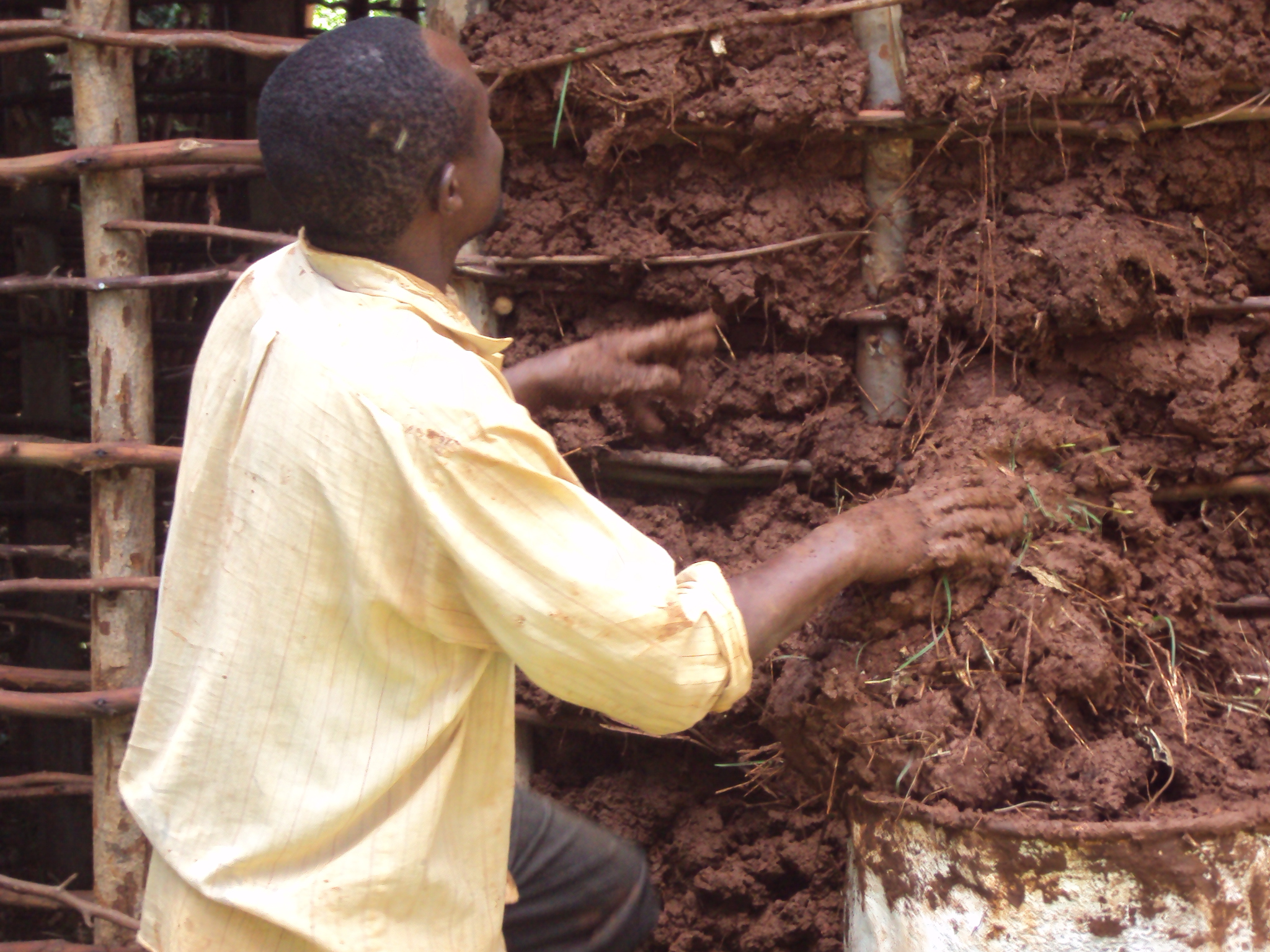
In 2006, I built my first Earth Holiday school in a leafy Nairobi suburb. I remember the look on a visitor’s face one time—a young bride—who said with pure indignation, “I could never live in a mud house,” as I explained – I now wanted to design a mud house.
That discomfort wasn’t about the soil. It was about a deep-seated fear that if we don’t use concrete, we haven’t “arrived.”
I turned those homes into classrooms for a children’s holiday school, and it was a revelation. These “urbanite” children had never been to their shags. They thought milk only came from a supermarket shelf. Most tragically, they carried a sense of superiority toward rural life, believing that “status” is something you buy, rather than something you are.
Using What is in Our Hands
We are raising a generation that believes the solution to every problem is to “buy new.” They are struggling under the weight of a world that tells them they must constantly consume to build their identity. But in the mud classroom, we taught a different truth: The earth has already provided everything we need.
When we made mud-and-grass houses, I saw the children transform. And why wouldn’t they? They were interacting with nature. They realised that beauty doesn’t have to come from a shop—it can come from the soil beneath their fingernails. We talked about recycling, about resourcefulness, and about the genius of using what is already in our hands.
When a child learns to make their own “entertainment things” from grass and mud, they break the golden handcuffs of consumerism. They realise that joy is not a transaction.
The Duty to Show Them How to Love
As parents and elders, it is our responsibility to show our children how to love life without a price tag attached. If we only value what is “new” and “expensive,” we teach them to be eternally dissatisfied.
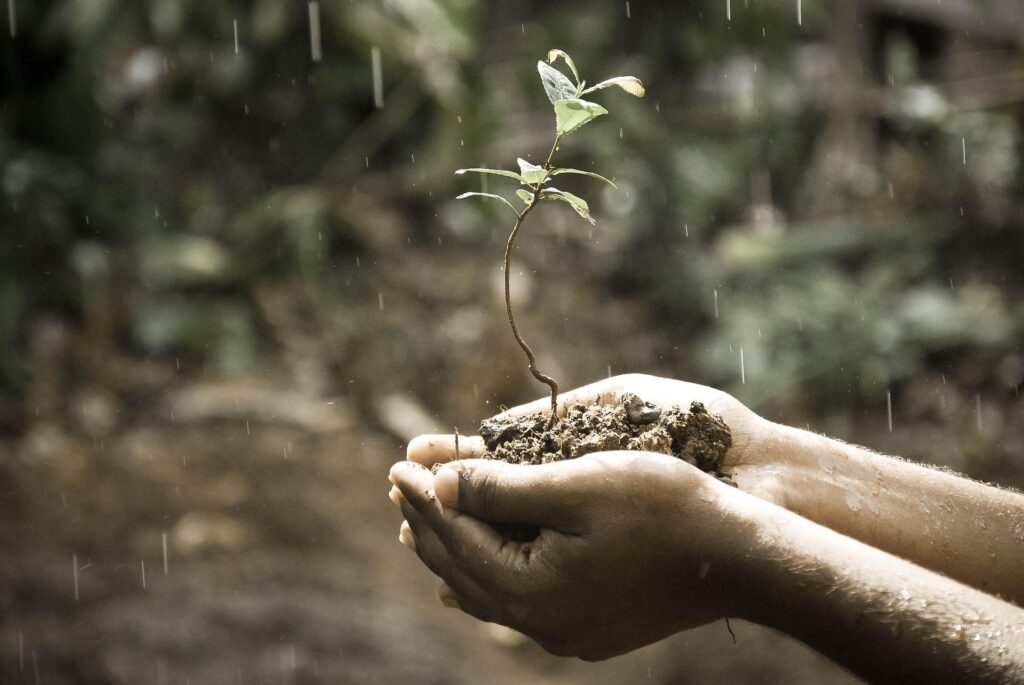
Soil is good. Nature is a generous mother who has already given us the blueprint for health and home. When we let our children play in the dirt, we aren’t just letting them get “messy”—we are letting them connect with the source of their life. We are teaching them that dignity does not come from money, possessions, or power, but from Ubuntu: I am because we are.
The Real Inheritance
Our African ancestors built with amazing traditional skills, working alongside the community. They didn’t need to import their dignity; they dug it out of the ground and shaped it with their hands.
By looking down on “upcountry” life, we are closing our eyes to a sustainable, peaceful way of being. We are teaching our youth to chase a “Western model” of success that even the West is now trying to escape.
The real question is: Are we proud of our inheritance? Or are we raising a generation that is “successful” on the outside, but spiritually bankrupt on the inside because they’ve forgotten how to use what they have?
Let’s take pride in our roots. Let’s teach our children that the greatest luxury isn’t what you can buy—it’s the wisdom to appreciate what you already have.