Let’s be honest for a second. We’ve all sat in those endless, exhausting meetings where we tell our teams to “think outside the box.” But then we look around, and we’re all trapped inside actual, windowless concrete boxes for ten hours a day, staring at screens under buzzing fluorescent lights.
It’s a strange way to live, and it’s an even harder way to work.
As leaders, managers, and founders, we are under massive pressure. We are navigating crazy inflation, tight budgets, and shifting goals. We want our businesses to grow, so we buy the best software, streamline our workflows, and push hard for results. But lately, you might have noticed a quiet, heavy fatigue creeping into your team. People are running on fumes. Motivation feels forced, and the creative spark that used to drive your projects is feeling a little dim.
When targets start slipping, it’s easy to assume someone isn’t working hard enough or that the strategy is broken. But the truth is much simpler: it’s a design flaw in the environment we’ve built.
The human brain wasn’t built to stare at a blue-light monitor for twelve hours straight while swimming in a sea of toxic notifications and daily anxiety. We don’t need to lower our standards or stop chasing big goals to fix this. We just need to remember that our teams are made of human beings, not machines.
The most successful leaders are starting to realize that giving their people a moment to step out of the corporate grind and touch sides with the real world isn’t some soft, fluffy HR trend. It is a secret weapon for your business. When you align your workspace with basic human biology, magic happens. Here is how a few simple, everyday shifts can protect your people from burning out and bring the energy back into your office.
Real-World Shifts That Cost Next to Nothing
1. Unsticking the Brain When Creativity Dies
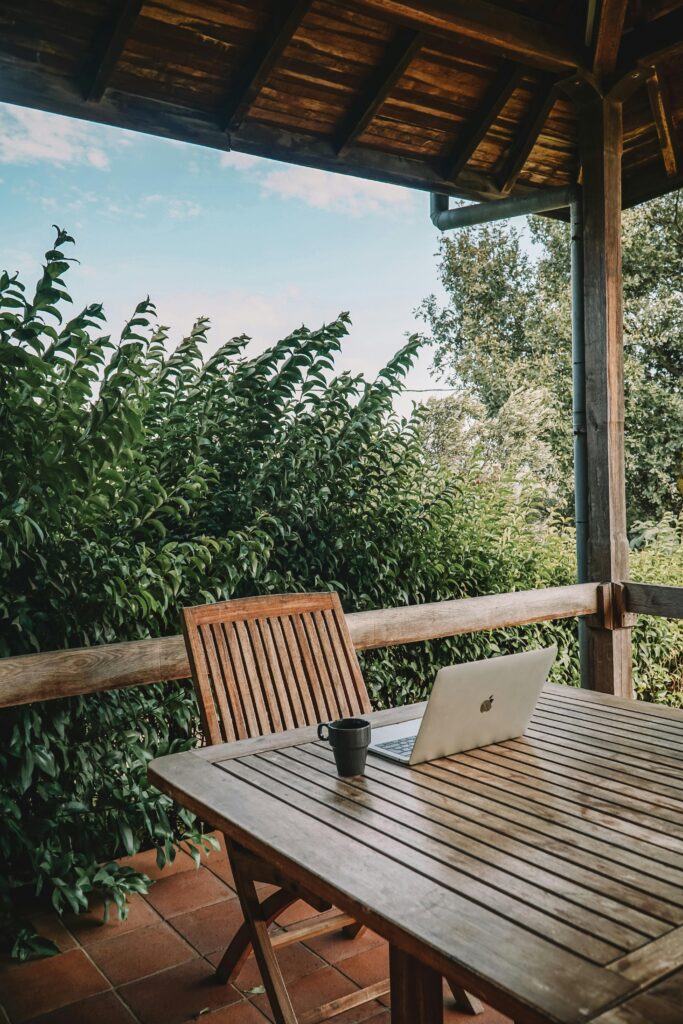
We’ve all been there—stuck on a problem for days, staring harder and harder at a spreadsheet, hoping the answer will just appear. It won’t. When the brain is forced to focus intensely on one sterile environment, it gets tired and locks up. But the second you step outside, your mind shifts. Watching leaves move in the wind or just looking up at the sky lets the intense, analytical part of your brain rest. That is exactly when the accidental breakthroughs and the best ideas actually show up.
- The Move: The Walk-and-Talk Catch-up. Next time you have a casual check-in or a quick brainstorm with a teammate, don’t lock yourselves in a stuffy room. Take it outside. Walk around the compound or head to a nearby patch of grass. Removing the physical walls drops the corporate armor, and you’ll find the conversation becomes way more honest and creative.
2. Taking the Edge Off the Daily Stress Baseline
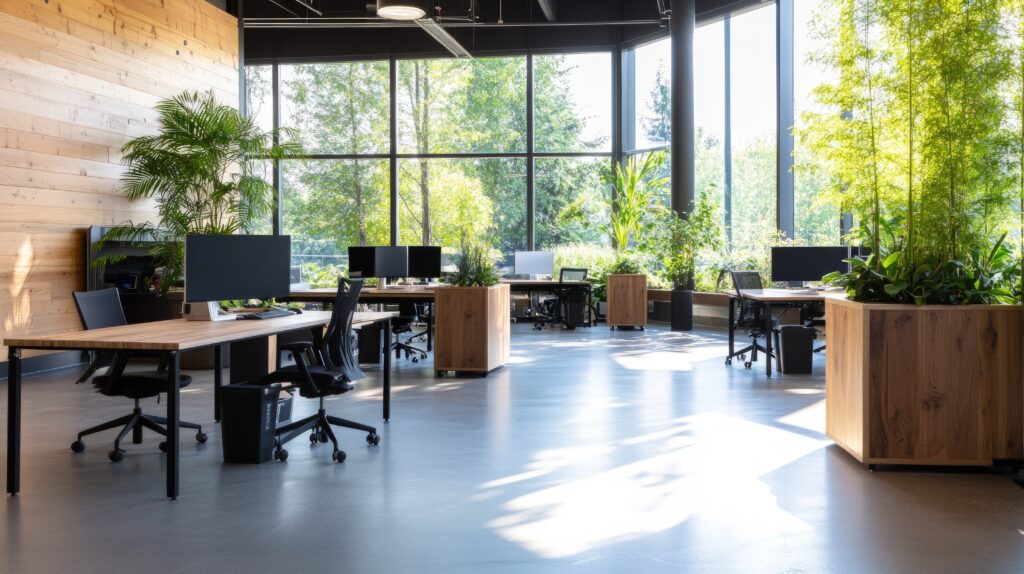
Tight deadlines are part of the game, but constant, low-grade anxiety shouldn’t be. When a team is constantly stressed, their bodies are flooded with adrenaline and cortisol. It leads straight to careless mistakes, exhaustion, and people calling in sick. You don’t need a multi-million-dollar office makeover to break this cycle. Science shows that just looking at living plants or catching real sunlight triggers a physical reaction that drops blood pressure and calms the nervous system in minutes.
- The Move: Bring the Living World Inside. Buy a few tough, un-killable indoor plants (like a Snake Plant or Pothos) for the team desks and meeting tables. Rearrange the seating so people can actually get a bit of natural light from a window instead of just the glare of their laptops. These tiny visual breaks give the eyes a place to rest and instantly soften a sterile office vibe.
3. Rebuilding the Human Connection
True collaboration requires trust, but it’s incredibly hard to build real trust when everyone is hiding behind a formal corporate persona. Sharing a bit of fresh air has a funny way of stripping away that stiffness. It reminds us that we are a group of humans trying to build something together, not just icons on a Slack channel.
- The Move: The 15-Minute Green Break. Once a week, grab your team and step outside for a quick morning or afternoon break. Sit on a bench or stand in the sun together. Keep it simple: no work talk allowed for those 15 minutes. Let everyone grab a coffee, breathe, and just catch up. It costs the company zero dollars, resets their focus for the afternoon sprint, and bonds people in a way that structured team-building events rarely do.
The Big Picture
At the end of the day, looking after the environment your team works in isn’t about being “soft” or lowering your expectations—it’s just smart leadership. We can chase massive numbers and build incredible companies while still treating our people like people.
You don’t have to change your entire company culture tomorrow morning. Start incredibly small. Take one meeting outside this week. Put a plant on a desk. Tell someone to go stand in the sun for five minutes when they look stressed. By helping your team step off the corporate grid, even for just a few moments, you aren’t just saving their sanity—you’re unlocking their best work.