
The Liquid Trap: Why What You Don’t Know About Alcohol is Killing Our Communities
We need to be honest: many of us are not okay. Across Africa, alcohol has quietly shifted from a social ritual to a survival tool. We call it “relaxing,” but for an increasing number of Africans, it is an escape fueled by a profound education gap. Most of us are drinking substances we don’t truly understand, walking blindly into a trap that is claiming lives every single day. The Staggering Reality: Africa by the Numbers The scale of this issue is no longer a secret. Recent data from the World Health Organization (WHO) and Dateline Health Africa highlight a growing burden: The Biological Illusion: The “Stress” Lie Most people drink to “unwind,” but science shows alcohol is a chemical deceiver. The Specific Toll on Women: A Biological Warning Biologically, women are at a distinct disadvantage when it comes to alcohol. The Education Gap: What We Don’t Know In many communities, we lack basic alcohol literacy. We often don’t know: How to Support a Relative or Friend In our Ubuntu culture, we are our brother’s keeper—but that means keeping their potential, not their addiction. Stop Enabling: Do not cover for their mistakes. They must feel the weight of their choices to desire change. The Sober Window: Speak to them only when they are sober and the consequences of the night before are fresh. Avoid Accusations: Use “I” statements, such as “I am worried about your health,” rather than “You are a drunk.” Stop Enabling: Do not cover for their mistakes. They must feel the weight of their choices to desire change. The Moment of Choice: Breaking the Silence If you have read this far, the veil of ignorance has been lifted. You now know what alcohol is doing to your brain, your heart, and your community. We must ask ourselves: Will you continue to choose the bottle, or will you choose your life and the lives of your family? There is no shame in a celebratory drink in moderation, but we must be honest about where the line is. When the drink stops being a choice and starts being a requirement—when it starts slowly “unlivenning” your spirit and your health—it is time to wake up. We are harming ourselves in the name of “strength,” but true strength is found in facing our reality sober. What You Can Do Today Where to Find International Help Coping is not healing. If your “remedy” is leaving you—and those who love you—feeling worse, it isn’t medicine. It’s a poison. It’s time to choose life.
Read MoreCould You Be On the Endless Treadmill of Life?
I spent years thinking that moving faster meant I was winning, only to realise I was just revving my engine in neutral. If you feel ‘successful’ on the outside but completely depleted on the inside, this is for you. There is a specific kind of tired that sleep cannot reach. It’s the exhaustion that settles in when we’ve spent years on the “treadmill of life”—moving faster and faster, yet never feeling like we’ve truly arrived. Most of us don’t even realise we’re on it until our bodies, or our spirits, finally whisper for us to stop. The Global Pulse of Exhaustion If you feel overwhelmed, you are part of a massive, quiet chorus. Statistics show that the world is more “revved up” than ever. According to recent Gallup polls, nearly 44% of adults worldwide report experiencing a great deal of stress daily. The World Health Organisation (WHO) identifies stress as the “health epidemic of the 21st century,” contributing to over 60% of all human illness and disease. The Hidden Price of the Race The treadmill lifestyle doesn’t just take our time; it takes our essence. When we live reactively—answering every ping and meeting every deadline—we experience a slow erosion of the self. We pay for this speed with our family relationships, our physical health, and our inner joy. We become like sheep following a path we didn’t choose, wondering why we feel so lonely in a crowd. The Courage to Realise The most sobering realisation is this: Life does not slow down by default; it only slows down by choice. Time moves far faster than our plans. We assume there will always be a “better time” to seek the quiet, but years disappear while we are busy being busy. To step off the treadmill, you first have to realise that it is spinning beneath you. You have to acknowledge that the only person responsible for the life God entrusted to you is you. When we finally choose to step off the bandwagon and simplify, we don’t lose—we actually start to win. By refusing to go ‘wherever the wind blows,’ you take back the controls of your own life. You are no longer just busy; you are intentional, focusing only on what truly matters and aligning your days with your purpose. In this quiet space, you don’t just exist; you finally begin to live a full, deep, and meaningful life. A Question for the Heart As you breathe in this moment, ask yourself: Who is setting the pace of my life? If the world is setting it, you will always be out of breath. Sometimes, the most faithful thing you can do for yourself is to simply stop. Because at the end of the day, we must face the most haunting question of all: “What does it profit a man to gain the whole world, and yet lose his soul?” (Mark 8:36) For reflections on simple, rooted living, visit: https://shiberoa.wixsite.com/shiberoakatsa Journey with me on YouTube:👉 https://www.youtube.com/@Shibero_R_Akatsa/videos Contact: spht@shibero.com
Read More
What My Simple Garden Of Eden Lifestyle Is About
So what does it mean to live simply and why does it matter? It’s not a minimalist trend that you may be thinking of, but rather, it has more to do with how we were created and calls for a complete mindset shift to get back to the original state of existence we had in the Garden of Eden. For this purpose, I am going to define simple living as living free from the things the world loves and living as simply a with a focus on living a life of purpose and intention in everything you do. This means rather than pursuing wealth or ease or glory or power –rather than building our empire you may be thinking, but rather, it has more to do with how we were created and calls for a complete mindset shift to get back to the original state of existence we had in the Garden of Eden. It is also a life of joyful unconcern for possessions and the one thing that sufficiently reorients our lives so that possessions can be genuinely enjoyed without destroying you. Living a simple life is an inward attitude reflected in an outward lifestyle. Simply put, I would describe simplicity as the ability to not allow my life to be chained to too many things, whether status, possessions, activities, or responsibilities. When you embrace simplicity, you’re no longer influenced by the values of society. You can follow your conscience, without concern for appearance. WHAT LIVING A SIMPLE LIFE INVOLVES The more possessions, power, and control people have, the more people see them as being wealthy and successful. But even with all the possessions in the world, there never seems to be peace with it – but hard relentless work, time away from your loved ones, and hardly any peace. There are three main attitudes related to having possessions that lead to peace. The anxiety of having to protect, hide and keep MY things safe from those who want to steal from you. Once you begin to cultivate these inner attitudes, what might the outer expression of this renewing of your mind, you will begin to see the following attitudes manifesting in how you perceive material things you’ll: Benefits of My Simple Lifestyle The following are just some of the benefits of simplifying your life: You might choose to have fewer friends, but the friends you have will be much closer. It’s easier to focus on the other person when your life is more straightforward. The interaction is also sincerer since you’re free of the need to impress them. Choose people in your life whom you can trust. The more things you own, the more responsibilities you have, the more you need to service your ego, and the less freedom you enjoy. You will find that simple things such as walking, looking at the clouds, and smelling flowers can make you so happy. A simple life gives you freedom from issues in life that should not be of major concern. It can be hard to learn to relax when you’re used to running around trying to get everything done. But free time is a gift that only a few truly appreciate.
Read MoreWHY I LOVE MY SIMPLE GARDEN OF EDEN LIFESTYE
From an early age, I have always had a yearning for a quiet simple life, with as little stress and complications as possible. And to this day, in my sixties, that’s precisely what I am doing. Living a simple quiet lifestyle. Off the grid. and off the treadmill. And yes. It has been worth it. A journey that started in my 40’s. Yes, it took that long to get off the treadmill of life. Having worked and lived overseas through my twenties, thirties, and forties, the yearning stayed in me. When I think about it, it makes me think that we were not created to have all the stress that goes with how we live our lives. Neither were our bodies!!! We need to just stop. And rest amidst all that is going on around us. Because it is good and healthy and healing. I had worked hard in corporate and international community organizations to create a quality life for my daughter and I. Living in large and exciting cities provided great opportunities and entertainment, but what I once found exciting I began to find challenging. My brain felt increasingly overwhelmed with noise, excess stimulation, distractions, and ever-increasing crowds, all helping to pump up my stress levels. Noise. Noise. Noise. In my head.Around me. In me. Up went my blood pressure, until I consciously decided all ‘this’ wasn’t me. Much as I tried, I knew it wasn’t working for me, because of all the anxiety I was experiencing. I got tired of having to conform to the world’s standards to be ‘successful’. I wasn’t in tune with a world that demanded that ‘enough’ was always just a little more than I already had, and there wasn’t a lot of room left for the truly great pleasures of life: family, friends, and the time to enjoy them, nature and just being able to be and connect with God. I wasted many years just hoping life would change and things would calm down until I finally realized life doesn’t change. It has the potential to get even worse. I understood that my only real option was changing my life approach. I had to say no to another day of rushing around and feeling frustrated. I didn’t want any more prescriptions to mask another symptom of the real problem— chronic stress. It became apparent that I needed to get serious about simplifying my life. As a result, I found myself thinking about a quieter, more simplistic way of life, being closer to nature and in a more peaceful setting, which was more the person I was created to be. I worked from home surrounded by nature. I was more productive. And got my basic needs met, followed by enjoying what I had in my hands. And now I can say, by God’s grace, and by decluttering from the world and its demands, I really enjoy living my simple life where I co-exist with nature and live in my Mud Palace. BENEFITS OF THE SIMPLE LIFE The following are just some of the benefits of simplifying your life: You might choose to have fewer friends, but the friends you have will be much closer. It’s easier to focus on the other person when your life is more straightforward. The interaction is also sincere since you’re free of the need to impress them. Choose people in your life whom you can trust. The more things you own, the more responsibilities you have, the more you need to service your ego, and the less freedom you enjoy. You will find that simple things such as walking, looking at the clouds, and smelling flowers can make you so happy. A simple life gives you freedom from issues in life that should not be of major concern. It can be hard to learn to relax when you’re used to running around trying to get everything done. But free time is a gift that only a few truly appreciate. LIFE IS SIMPLE BUT WHY DO WE MAKE IT COMPLICATED? Have your say at Disqus!
Read MoreThe Weight of Unforgiveness
Have you ever felt like a dagger in your heart when someone wronged you? Let’s be real. We’ve all been there. Maybe it was that time your bestie completely forgot about your big day. Maybe your dad just didn’t understand why you chose that career path, or perhaps it was the painful memories from school when you were picked on. And of course, there’s nothing like the pain that comes from betrayal by someone you share your life with. Be it a big incident or just a tiny slip, getting hurt is a universal experience. When we’re hurt, especially by those dear to us, it’s like an emotional storm brews within us. We feel rejected, scared, betrayed, or just downright insecure. Just like how a tiny cut can get seriously infected if we don’t treat it right, these emotional cuts can get infected too. They can fester with resentment, bitterness, and thoughts of revenge. Instead of helping ourselves heal with a dose of forgiveness, sometimes we unknowingly sip on the poison called unforgiveness. So, what is unforgiveness? Imagine holding onto a balloon filled with anger, resentment, and all those nasty emotions. That’s unforgiveness. It’s when we can’t let go of the pain someone caused us. Instead of healing and moving on, we keep replaying it in our heads, feeling that anger and hurt all over again. And just like any wound that doesn’t get the care it needs, with time, it doesn’t get better—it only gets worse. Imagine lugging around a massive backpack everywhere you go. At first, it might seem manageable, but as days turn into weeks and weeks into months, that bag becomes unbearably heavy. That’s what unforgiveness is like – a constant, heavy weight on our souls. And the longer we ignore it, the deeper it roots, pulling us down. Ladies, unforgiveness? It’s toxic. We’re feeding our souls with something that’s slowly poisoning us from the inside. But what does it do to us? Let’s dive into the negative effects of unforgiveness. So, diving right back in—unforgiveness? It’s like a whirlwind of chaos inside us. Picture it: an emotional hurricane that tosses up stress, anxiety, depression, insecurity, and a heap of fear. And beneath all of that? A heart that’s turned stone-cold. You see their face or even just hear their name, and suddenly you’re reliving all those emotions of anger, resentment, and bitterness. It’s like a never-ending replay of a painful past. And sometimes, the hurt takes over so much that we lose the zest for life. Sound familiar? Imagine your mind as a room, and unforgiveness. It’s like that oversized, obnoxious piece of furniture that takes up all the space, making it difficult to breathe. You replay that painful moment, dissecting every word, every gesture, like a film critic analyzing a movie. And maybe you’ve caught yourself crafting the perfect confrontation speech or daydreaming about some poetic justice. And, ugh, when we get caught in that loop? It’s not just about the current heartache. Suddenly, every bad memory from the past wants a starring role. It feels like we’re trapped in this twisted cinema of our own making. When we’re draped in unforgiveness, everything looks different. The world seems like a stage where every misstep feels like a scene directed against you. You start to walk on eggshells, expecting not just the one who hurt you, but everyone, to let you down. Before you know it, that pain isn’t just an emotion; it’s become your entire persona. And, ladies, it doesn’t stop there. Holding onto grudges isn’t just harmful to us; it’s also not our most glamorous side. Maybe you’ve found yourself ranting about that person one too many times or stretching the truth to gain a few sympathetic nods. And those passive-aggressive vibes, the silent treatments, or maybe the petty jabs? Not the best accessories we could choose. Revelling in someone else’s misfortunes or plotting revenge? It’s like we’re donning a cloak of negativity. Picture unforgiveness as a spill of red wine on a white carpet; it spreads, staining everything in its path. Maybe your partner or colleagues are tired of that same old rerun, or perhaps your friends are starting to keep their distance. And, let’s be real: it’s hard to share love and warmth when there’s a chill in our hearts. That distrust? It creates a wall between and our loved ones. It’s like wearing armour 24/7 because we’re scared of getting hurt again. The cherry on this not-so-delicious cake? Unforgiveness doesn’t just tug at our heartstrings; it messes with our health, too. Studies have linked it to high blood pressure, a weaker immune system, sleepless nights, lingering pain, and even heart troubles. And get this: because of its damaging effects, cancer treatments are now including forgiveness exercises to help patients heal. Sisters, let’s reclaim our space, our health, and our hearts. It’s time for a spring cleaning of the soul!
Read More
Girl Talk: Why Women Are Vulnerable to Depression
Hey ladies! Let’s chat about something that many of us have faced or might face: depression. You know, a shocking 10-15% of us will experience it during our lives. And get this, that’s twice the number of men who do. Crazy, right? You see, our bodies go through a lot. I mean, from periods to childbirth, and let’s not forget the menopause! These biological changes can sometimes throw things off balance. It’s like our body’s natural rhythms are constantly playing musical chairs, and sometimes it can get a bit too much. Ever heard of hormones? Yup, those little buggers. They can be especially mischievous around the time we have babies, leading to what many know as postpartum blues or even postpartum depression. And, you know what’s wild? Society hasn’t always been our best friend in this. We’ve been kind of programmed to keep things inside, to chew over our thoughts and feelings, while our guy friends are just told to “man up” or “shake it off”. Plus, there’s that little voice in our heads always reminding us to look perfect. Talk about pressure! Speaking of pressure, even in today’s world, who ends up with the lion’s share of house chores, caring for the kids, and keeping track of everyone’s birthdays? Yup, it’s us! And that’s on top of our 9 to 5 job. And don’t even get me started on the pay gap – earning less than our male colleagues, seriously? Not to mention the guilt trips. Feeling guilty for leaving the kids when working? I’ve been there. All these stresses pile up and can totally weigh down on our spirits. Here’s another fun fact: we ladies tend to outlive the guys. That’s more years of managing life’s ups and downs and potentially facing heartbreak and loneliness. Oh, and if you think depression has a one-size-fits-all look, think again. For us gals, it might show up as that constant tiredness, a dip in motivation, or maybe you find yourself tearing up more often. So, if you ever feel this way or know someone who does, remember you’re not alone. We all have our battles, and understanding them is the first step to conquering them. 💪❤️ Ladies, let’s get real for a moment. You know that nagging voice inside that sometimes says we’re not good enough? Yup, that’s the low self-esteem speaking, and sadly, many of us suffer from it. Blame it on all those unrealistic beauty standards and society’s mixed messages we’ve been fed since we were little girls. Want a mind-blowing fact? From the time we hit puberty till around 50, we’re more than twice as likely as men to battle with anxiety disorders. Yup, you heard that right. We often find ourselves dealing with extra worries, tension, exhaustion, and fears. And it’s not just about the stresses life throws at us, but how we tend to internalize them, unlike guys who usually just let it all out. Speaking of anxiety, ever heard of PTSD (post-traumatic stress disorder)? While technically it falls under the anxiety umbrella, it deserves its spotlight. Why? Because we women are twice as likely to develop it, and in some cases, even four times more likely to struggle with it long-term. Now, it’s not like we go around seeking traumatic experiences more than men, but let’s face it, we often face specific traumas like sexual abuse and assault. And these, sadly, put us at a higher risk of PTSD. Our reactions post-trauma can sometimes amplify the issue. Unlike men, we sometimes tend to blame ourselves, thinking maybe we did something wrong. And some of us, even without realizing it, might try to cope by trying to push those traumatic memories away or shutting them out. That’s not always the best way to deal with it and could explain why PTSD hits us harder. And you know what? It might also be that some of us were already on edge with anxiety or depression before a traumatic event, making us more susceptible to PTSD. It’s a lot, I know. But understanding our struggles and talking about them is the first step to healing and empowerment. So let’s keep the conversation going! 💕👭 Ladies, can we talk about something super important? Eating disorders. While, yes, some men face them too, society often labels these disorders as “women’s issues”. It’s almost as if they’re linked to things we, as women, are often stereotyped for – think vanity, keeping our emotions in check, or always striving for perfection. Seriously, how many times have we seen that perfectly airbrushed model on a magazine cover or that TV commercial telling us what the “ideal” woman looks like? It’s like everywhere we turn, there’s this enormous pressure for us to fit into this mold of thinness and flawlessness. And let’s be real: our culture is OBSESSED with how we look, especially when it comes to our weight and shape. And that’s definitely messing with our relationship with food and our own self-image. Here’s a jaw-dropper: women are twice as likely as men to have Binge Eating Disorder. But here’s the twist: guys might see overeating as just a regular thing, while for us? It’s cloaked in secrecy and shame. We’re often made to feel like it’s a problem we need to hide or something that should be changed immediately. But here’s the deal: whether it’s binge eating, anorexia, or any other eating disorder, they’re all hazardous. And guess what? Every single person facing these struggles deserves understanding, treatment, and lots of love. So, if you or someone you know is battling this, remember, there’s no shame in seeking help. Let’s support one another and break these stereotypes together. 💜👯♀️
Read MoreHow I Overcame Impostor Syndrome and Embraced Imperfection
Are you a perfectionist who constantly feels like you’re falling short? Do you find it difficult to acknowledge your achievements and live in constant fear of being exposed as a fraud? If so, you may be familiar with the frustrating phenomenon known as Impostor Syndrome. But don’t worry, I’ve been there too, and in this article, I’ll share my personal journey of overcoming Impostor Syndrome as a perfectionist. Together, we’ll explore the connection between perfectionism and self-doubt and uncover strategies to break free from its grip. The Perfectionist’s Mindset As a perfectionist, I’ve always held myself to impossibly high standards. I believed that my self-worth was directly linked to my achievements and the approval of others. But let me tell you, this mindset can be exhausting. The constant need for validation and the fear of failure created a never-ending cycle of self-criticism. The Impostor Phenomenon: My Worst Nightmare Impostor Syndrome, or the “Impostor Phenomenon,” took hold of me with its relentless grip. Despite my evident accomplishments, I couldn’t shake the feeling of inadequacy and the fear of being exposed as a fraud. This struggle hit home for me as a perfectionist due to a few reasons that I’d like to share: Overcoming the Impostor Syndrome My journey toward overcoming Impostor Syndrome wasn’t easy, but it was worth it. Here are some strategies that helped me break free from the clutches of self-doubt: Conclusion As a former perfectionist plagued by Impostor Syndrome, I can attest to the power of overcoming self-doubt and embracing imperfection. By understanding the underlying causes and implementing strategies to counter negative thought patterns, we can reclaim our self-worth and confidently acknowledge our achievements. Remember, true success is not measured by flawlessness but by the growth, learning, and impact we bring to the world. So let’s break free from the shackles of perfectionism and step into our authentic selves. Together, we can conquer Impostor Syndrome and thrive. Need impostor syndrome therapy to help you overcome it? Email: info@shibero.com
Read More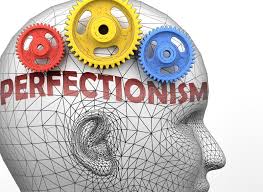
Why Perfectionism Is a Weakness Not a Strength
Are you someone who always strives for perfection in every aspect of your life? Do you set sky-high standards for yourself and feel a constant need to achieve flawlessness? Well, let’s dive into what drives your pursuit of perfection and why you, as a perfectionist, are more prone to experiencing Impostor Syndrome. The Perfectionist’s Mindset You hold yourself to exceptionally high, unrealistic standards because you believe that your self-worth depends on your accomplishments and the approval of others. Those lofty goals you set for yourself can sometimes become overwhelming, leading to a never-ending cycle of self-criticism and doubt. Why Perfectionists Are Vulnerable to Impostor Syndrome Impostor Syndrome, with its persistent feelings of inadequacy and fear of being exposed as a fraud, tends to affect perfectionists like you even more profoundly. Here’s why: Fear of Failure: You fear failure intensely because you tie any misstep or deviation from your high standards to your self-worth. Not meeting your own or others’ expectations create immense anxiety and reinforces the belief that you’re an impostor. Overemphasising Criticism: You tend to take criticism to heart, even if it’s meant to be constructive. You internalise negative feedback as a sign of incompetence rather than an opportunity for growth. This further strengthens your belief that you’re an impostor in your field. Unrealistic Standards: You set impossibly high standards for yourself, making it hard to acknowledge your achievements genuinely. You dismiss your accomplishments as mere luck or timing, intensifying your feelings of fraudulence. Constant Comparisons: You often compare yourself to others, especially those you see as successful. When you perceive yourself as falling short in comparison, it reinforces the belief that you don’t deserve your achievements. Validation-Seeking Behaviour: You seek validation from external sources, such as praise, awards, or recognition. However, this constant need for validation becomes a double-edged sword, as it perpetuates the idea that your accomplishments aren’t genuinely earned. Navigating Your Journey as a Perfectionist Understanding what drives your perfectionism and its connection to Impostor Syndrome is key to finding a healthier balance. Here are some strategies to help you overcome self-doubt and embrace your journey: By understanding the underlying drivers of your perfectionism and implementing these strategies, you can navigate your journey with more self-compassion, embrace growth, and mitigate the impact of Impostor Syndrome. Remember, the pursuit of excellence should be a fulfilling and enriching experience rather than a constant source of self-doubt. Conclusion As a former perfectionist plagued by Impostor Syndrome, I can attest to the power of overcoming self-doubt and embracing imperfection. By understanding the underlying causes and implementing strategies to counter negative thought patterns, we can reclaim our self-worth and confidently acknowledge our achievements. Remember, true success is not measured by flawlessness but by the growth, learning, and impact we bring to the world. So let’s break free from the shackles of perfectionism and step into our authentic selves. Together, we can conquer Impostor Syndrome and thrive. PHYSIOLOGICAL HELP AVAILABLE Perfectionism stems from early years. If perfectionism is affecting your personal relationships and management of your teams at work, do contact us for psychological therapy send us an email at: info @shibero.com
Read More
REMOVE THE SHAME OF GETTING SEPARATED OR DIVORCED
This is for the women who are experiencing shame and guilt for being forced to go through divorce/separation, and for those who have had to decide to go down this road because of their unique circumstances. And the shame that comes from being stigmatised for being a ‘scarlet’ woman, and the feelings of guilt for having ‘failed’ in your marriage. Why You Should Never Feel Ashamed to Get a Divorce If you decide to bring your marriage to an end, or find yourself at the end of a forced separation or divorce, you might feel a sense of guilt or shame. You are not alone. For many, divorce can be a shameful public admission of defeat – a failure to remain true to vows that were said when first getting married. Because divorce is considered a “shameful” thing, especially in African society, especially if you are a woman, it can lead many women to fall into depression. But if you feel ashamed of your divorce, keep these four things in mind as you move forward and heal. Avoiding a Cloak of Shame People will always hold their own personal beliefs about divorce. However, if you choose to end your marriage, or find yourself in marital separation, you have no reason to feel ashamed. Those who make comments will always be on the outside looking in and have no idea of the facts and your reasons for ending your marriage. Be assured that marital separation and divorce are not signs of weakness; it takes strength to walk away from a marriage. It’s the right thing to do if the marriage is an unhappy, abusive one, as staying together can do all kinds of damage, not only to couples, but especially to the children.It’s worth noting that most shame associated with ending a marriage can also be self-inflicted. Avoid revisiting the mistakes you made and harbouring regrets. Instead, surround yourself with people who you know will support you and cut yourself off from those who baulk at your decision to end your marriage or in the forced separation you find yourself in now… Society attaches shame to divorce, but that’s not something you can control. Therefore, you shouldn’t feel shame or guilt about doing what’s right for you or your children, and if it is forced upon you, that’s probably a blessing in disguise. You have to refuse the emotional cost of divorce that other people try to put on you and focus on taking care of yourself, your children, and your future. Separation and Divorce IS NOT a Failure You may be feeling the shame of your marital separation and divorce. You may be feeling that the marriage ‘failing’ is a sign that you are inferior. It’s not true. The reality is that life throws us curveballs, and when it does, we have to deal with them the best way possible, with whatever life skills we have within us. Some of these curveballs are in relationships. Some are in jobs. Some are in academics. Some are physical. Some are financial. Some health. This is what makes us all different, alike — and human. To deny failure, is to deny humanity. When you look at divorce that way, you may not feel so ashamed. Ending a marriage is a sign that your relationship is over. But instead of viewing that as a bad thing, you need to focus on the positive: You made a choice or a forced choice was imposed on you, that was likely best for you, your ex, and anyone else involved in the decision, such as children. Divorce is a new phase of your life. I have spoken with ladies, urging them on not to waste this season, it comes with many blessings that you can’t immediately see. When shame is removed from the equation, a powerful shift in attitude and future behaviours can result. There is a new dawn up ahead…..much as you may not see it now, your future will be even better than the past. It can show you the toxic people in your life. If you’re around people who are shaming you for your divorce, you need to ask them to support you, be there for you, and stop their negative comments. If they can’t, then move on. If those who are close to you can’t support you, then don’t waste your energy on them. It takes a lot of courage to admit that something just isn’t working, even when you have been forced into it. We can often be too stubborn to admit that, but through a divorce, life can actually be better than the deep unhappiness you may have been living in. In removing the shame-based ideology from marital separation and divorce, you’ll come to realise that divorce is not always a negative thing. In fact, divorce can be a powerful tool, throwing you into the next season of your life. I know it can be hard for some people to drown out the comments/looks/gossip of others — but these people are not their friends, and what they think doesn’t matter. You can’t help how you feel, but if you are feeling shame, guilt, or ostracised following a marital separation or divorce, it helps to know that you are not alone. Speak to a trusted therapist or find trusted friends, family or your pastor, who can help you take some of the shame out of the equation. The supernatural gift of divorce Please know that there is a supernatural gift in divorce, a unique experience of beauty and identification with God that can rise out of the ashes of devastation in your life. This does not mean that I am advocating for divorce – but if this is where you are, then know that there is HOPE for your future. When you feel most abandoned, most shamed, and most betrayed in your life, that is when it becomes the doorway through which we realise the depth of God’s profound provision of
Read More
Are You in An Emotionally Abusive Relationship?
Are you in an emotionally abusive relationship? If you’re thinking you might be, then you probably are!
Read More